Understanding Hypertension: Causes, Symptoms, Treatment, and Prevention
Introduction
Hypertension, commonly known as high blood pressure, is one of the most common health conditions affecting millions of people worldwide. It occurs when the force of blood pushing against the walls of the arteries remains consistently too high over time. If left untreated, hypertension can lead to serious complications such as heart disease, stroke, kidney failure, and vision problems.
One of the most concerning aspects of hypertension is that many people may not experience noticeable symptoms for years. Because of this, it is often referred to as “the silent killer.” Regular blood pressure checks and healthy lifestyle choices are essential in preventing and managing this condition.
What Is Hypertension?
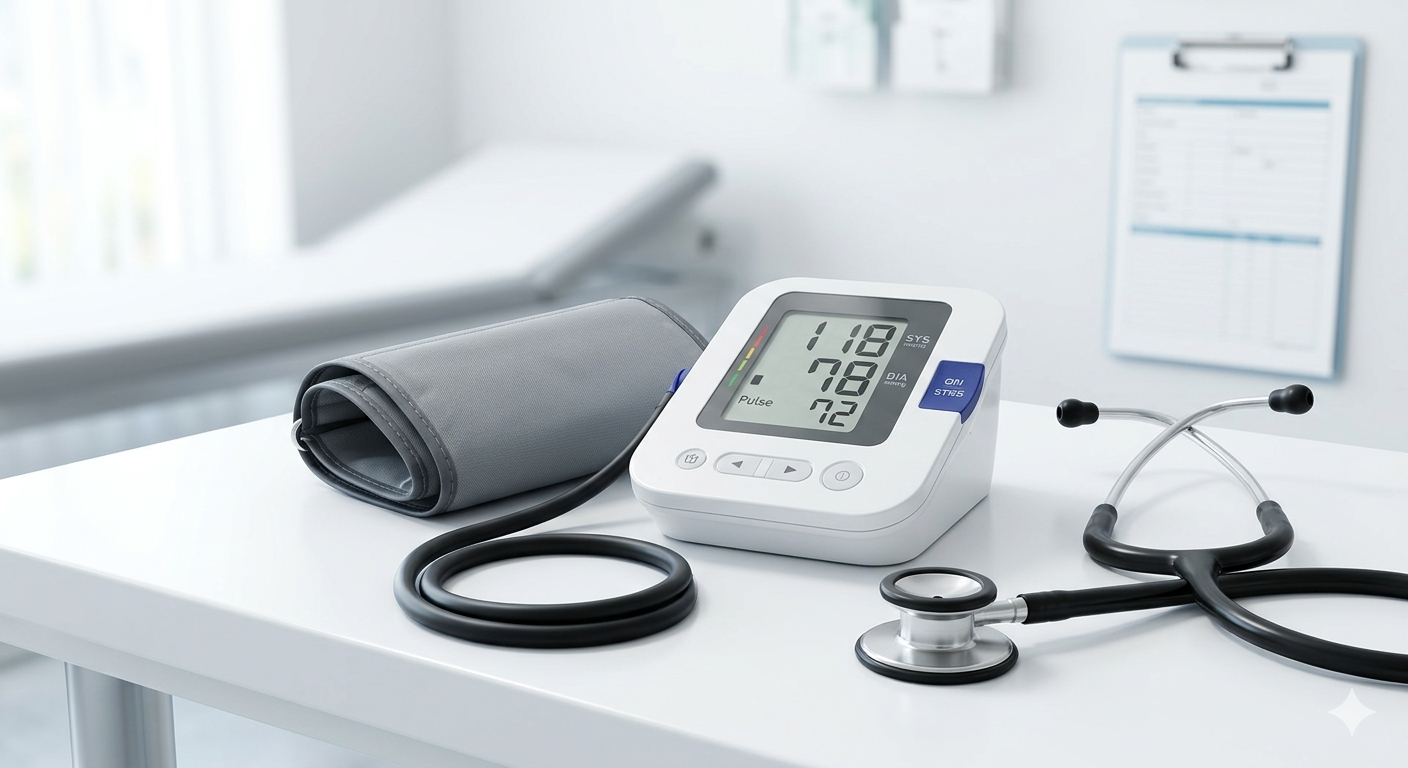
Blood pressure is the measurement of the force of blood moving through the blood vessels. It is recorded using two numbers:
Systolic pressure – the pressure when the heart beats.
Diastolic pressure – the pressure when the heart rests between beats.
Blood pressure is written as systolic over diastolic, for example 120/80 mmHg.
Blood Pressure Categories
Category | Blood Pressure Reading |
|---|---|
| Normal | Below 120/80 mmHg |
| Elevated | 120–129 / Below 80 mmHg |
| Hypertension Stage 1 | 130–139 / 80–89 mmHg |
| Hypertension Stage 2 | 140/90 mmHg or higher |
| Hypertensive Crisis | Above 180/120 mmHg |
Causes and Risk Factors
Hypertension can develop due to a combination of genetic, lifestyle, and environmental factors.
Non-Modifiable Risk Factors
These are factors that cannot be changed:
Family history of hypertensionIncreasing age
Certain genetic factors
Chronic medical conditions such as diabetes or kidney disease
Lifestyle and Environmental Risk Factors
Many cases of hypertension are linked to lifestyle habits, including:
Excessive salt intake
Lack of physical activity
Obesity or being overweight
Smoking and tobacco use
Excessive alcohol consumption
High levels of stress
Unhealthy diet rich in processed foods
Symptoms of Hypertension
Many people with hypertension experience no symptoms, especially in the early stages. However, severely elevated blood pressure may cause:
- Frequent headaches
- Dizziness
- Blurred vision
- Chest pain
- Shortness of breath
- Fatigue
- Nosebleeds
Because symptoms may not appear until complications develop, regular medical checkups are important.
Complications of Untreated Hypertension
When high blood pressure is not properly managed, it can damage various organs in the body.
Heart Disease
Hypertension forces the heart to work harder than normal, increasing the risk of:
Heart attack
Heart failure
Enlarged heart
Stroke
High blood pressure can damage blood vessels in the brain, leading to stroke.
Kidney Damage
The kidneys rely on healthy blood vessels to function properly. Hypertension can damage these vessels and lead to kidney disease or kidney failure.
Vision Problems
Damage to blood vessels in the eyes may result in blurred vision or even blindness.
How Hypertension Is Diagnosed
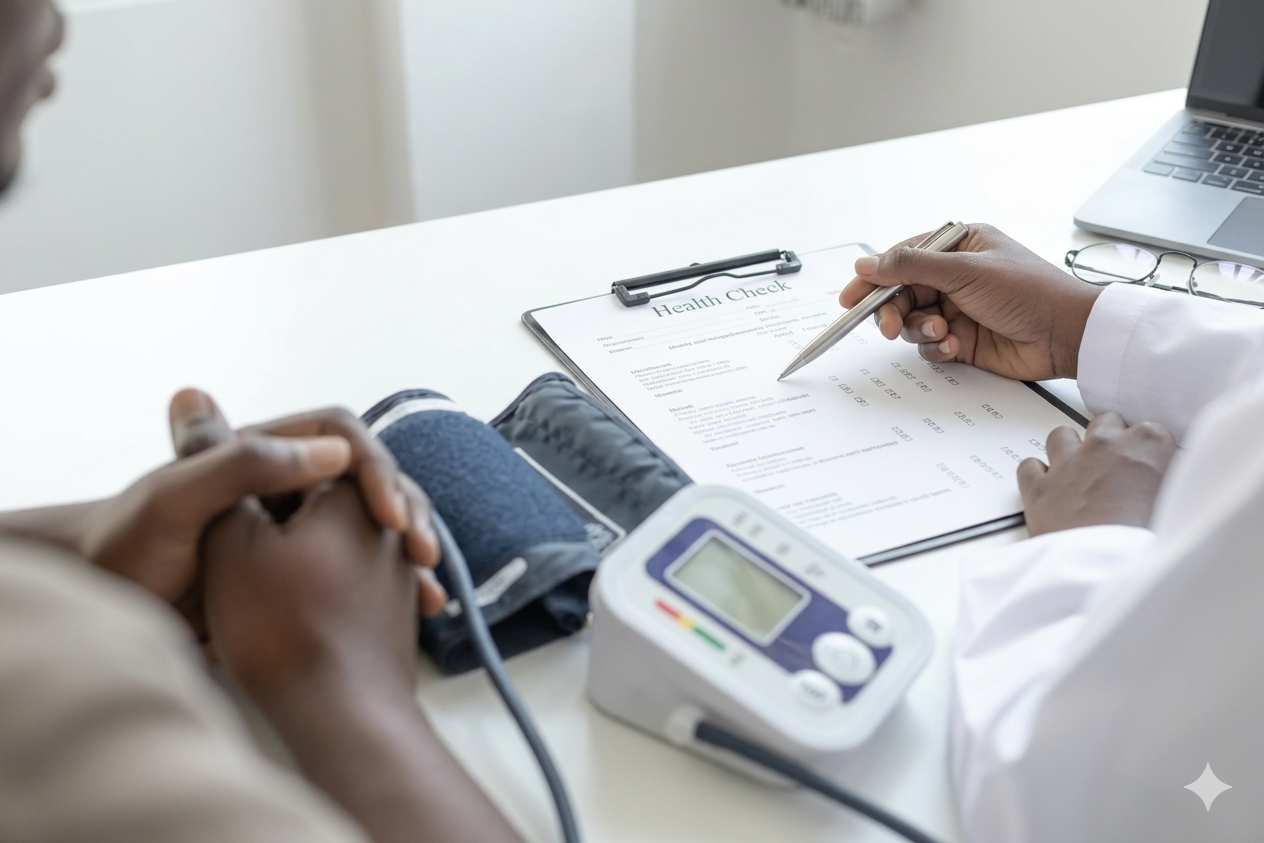
Hypertension is diagnosed through blood pressure measurements taken by a healthcare professional or a reliable home blood pressure monitor.
Doctors may recommend:
1. Multiple blood pressure readings over time
2. Blood tests
3. Urine tests
4. Heart tests such as an ECG
5. Kidney function tests
These tests help determine the severity of hypertension and identify any related complications.
Treatment and Management
The treatment of hypertension focuses on lowering blood pressure and reducing the risk of complications.
Lifestyle Changes
Healthy lifestyle choices are often the first step in managing hypertension.
Healthy Diet
A heart-healthy diet includes:
Fruits and vegetables
Whole grains
Lean proteins
Low-fat dairy products
Reduced salt intake
Regular Physical Activity
Exercise helps strengthen the heart and improve blood circulation. Adults should aim for at least 30 minutes of moderate physical activity most days of the week.
Weight Management
Maintaining a healthy weight can significantly reduce blood pressure.
Stress Management
Reducing stress through relaxation techniques, adequate sleep, meditation, or physical activity may help improve blood pressure control.
Avoid Smoking and Excess Alcohol
Smoking damages blood vessels, while excessive alcohol consumption may increase blood pressure.
Medications for Hypertension
Some patients may require medication to control their blood pressure. Common medications include:
i) Diuretics
ii) ACE inhibitors
iii) Calcium channel blockers
iv) Beta blockers
Medication should only be taken under the guidance of a qualified healthcare provider.
Prevention of Hypertension
Preventing hypertension is possible through healthy daily habits.
Tips to Prevent High Blood Pressure
1. Maintain a healthy weight
2. Exercise regularly
3. Eat a balanced diet
4. Reduce salt intake
5. Avoid smoking
6. Limit alcohol consumption
Manage stress effectively
Monitor blood pressure regularly
When Should You See a Doctor?
You should seek medical advice if:
Your blood pressure readings remain consistently high
You experience symptoms such as chest pain, severe headaches, or shortness of breath
You have a family history of hypertension
You have diabetes, kidney disease, or heart disease
Early diagnosis and treatment can prevent serious complications.
Conclusion
Hypertension is a common but serious medical condition that can affect overall health and quality of life. Although it may not always cause noticeable symptoms, uncontrolled high blood pressure can lead to severe complications involving the heart, brain, kidneys, and eyes.
The good news is that hypertension can often be prevented and managed through healthy lifestyle choices, regular medical checkups, and proper treatment. Monitoring your blood pressure regularly and seeking medical advice when necessary are important steps toward protecting your long-term health.
Frequently Asked Questions (FAQs)
1. Can hypertension be cured?
Hypertension can often be controlled effectively through lifestyle changes and medication, but many people require long-term management.
2. What foods should people with hypertension avoid?
People with hypertension should limit foods high in salt, processed foods, sugary drinks, and excessive fatty foods.
3. Is hypertension hereditary?
Yes. A family history of hypertension may increase a person’s risk of developing the condition.
4. How often should blood pressure be checked?
Adults should have their blood pressure checked regularly, especially if they have risk factors such as obesity, diabetes, or a family history of hypertension.
5. Can exercise lower blood pressure?
Yes. Regular physical activity helps improve heart health and may significantly reduce blood pressure.